

Mole Removal in Seattle, WA: Skin Moles and Yard Moles
Mole removal in Seattle, WA means a trained clinician takes a mole out of your skin, either for medical reasons or because you dislike how it looks. In practice, a board-certified dermatologist examines it first, removes it by shaving, cutting or laser, and sends most tissue to a lab. A flat wound usually heals in one to two weeks. Cosmetic removal commonly runs a few hundred dollars per mole, and insurance rarely pays for it.
This guide covers what happens before, during and after removal. It also explains how to pick a provider, which warning signs should send you to a dermatologist right away, and what to expect on price. You get a comparison of the main methods and a healing timeline you can plan around.
One clarification up front. Mole Masters is a family-run company that has removed the burrowing animal from Puget Sound lawns since 1991, so we do not treat skin. Many people in Seattle search this phrase while staring at a lawn full of molehills, and the last section is for you.
Why a mole check should come before any removal
You should have a clinician look at a mole before anyone removes it, because the first question is whether it is harmless, not whether it can come off. A removed mole that nobody examined can hide a skin cancer, and a cosmetic bump can turn out to be something else.
Medical and cosmetic removal are different jobs
Medical removal happens when a mole looks suspicious, changes, bleeds or gets irritated by clothing or shaving. Cosmetic removal covers a mole that is probably benign but that you want gone. Medical removal is often billed to insurance, while cosmetic removal usually is not. Ask which category your visit falls into before you book.
A mole should be examined first and removed second, never the other way around.
Signs that a mole needs a dermatologist now
Dermatologists use the ABCDE checklist to screen moles. Book a visit soon if you notice any of these:
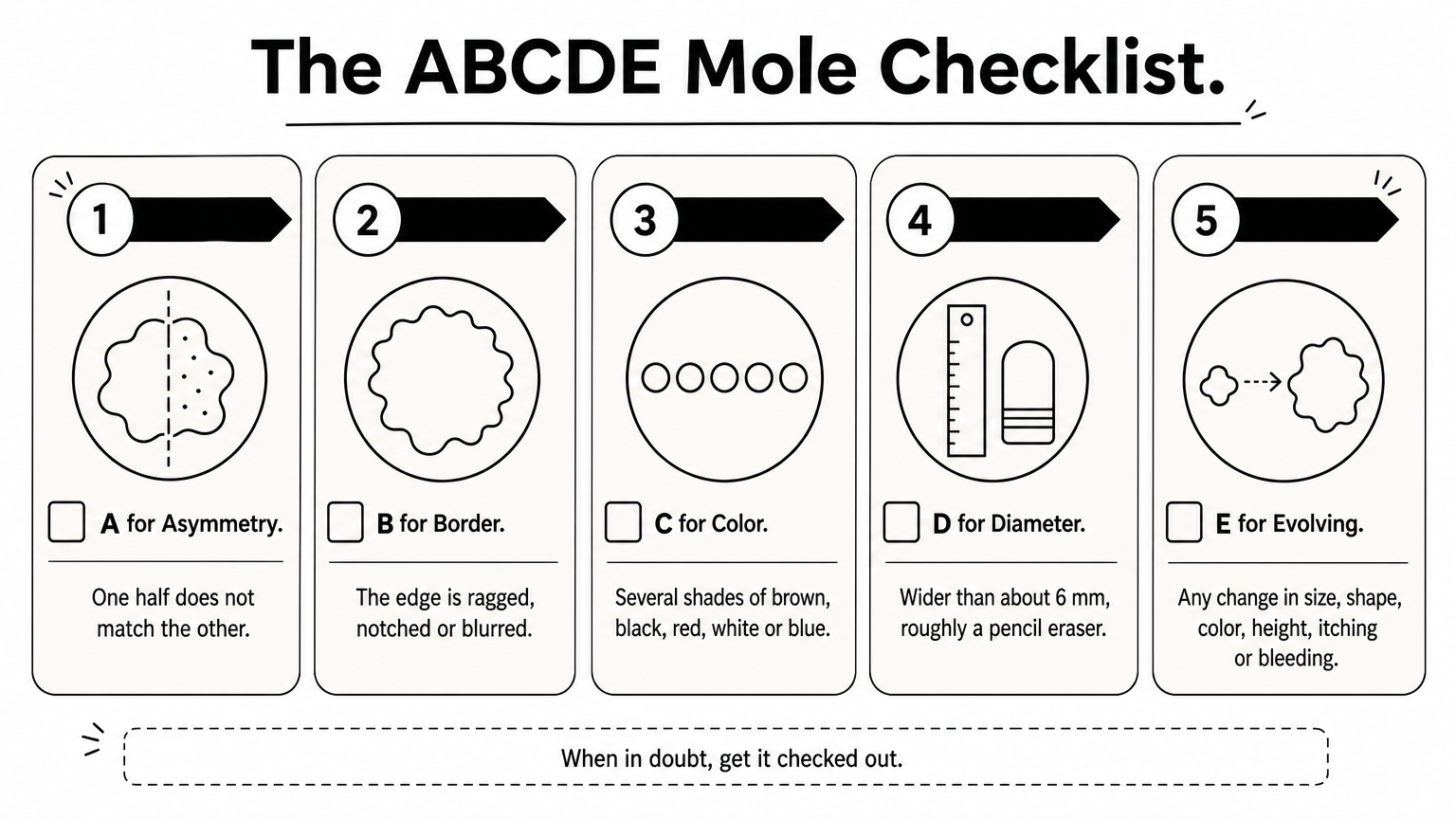
- Asymmetry: one half does not match the other.
- Border: the edge is ragged, notched or blurred.
- Color: several shades of brown, black, red, white or blue in one mole.
- Diameter: wider than about 6 mm, roughly a pencil eraser.
- Evolving: any change in size, shape, color, height, or new itching or bleeding.
Never try to cut, burn or use "mole removal" creams at home. You risk infection, scarring and, worst of all, destroying evidence a pathologist needs.
How to choose a mole removal provider in Seattle
Start with a board-certified dermatologist if the mole is new, changing or worrying. Choose a dermatology or plastic surgery clinic with cosmetic services if the mole is clearly stable and you only want it gone. In both cases, the person doing the removal should be a licensed physician or a clinician working under one.
Who can remove a mole
Dermatologists handle both diagnosis and removal. Plastic surgeons and cosmetic clinics focus on appearance and scarring, which matters for faces. Some Seattle-area clinics also offer laser treatment. Many people ask about the approach popular in Korea, and it is usually laser removal of small, flat moles at a dermatology clinic. The same option exists here, but it suits only certain moles.
What to check before you book
Verify the provider's license with the Washington State Department of Health's provider credential search. Then ask these questions on the phone:
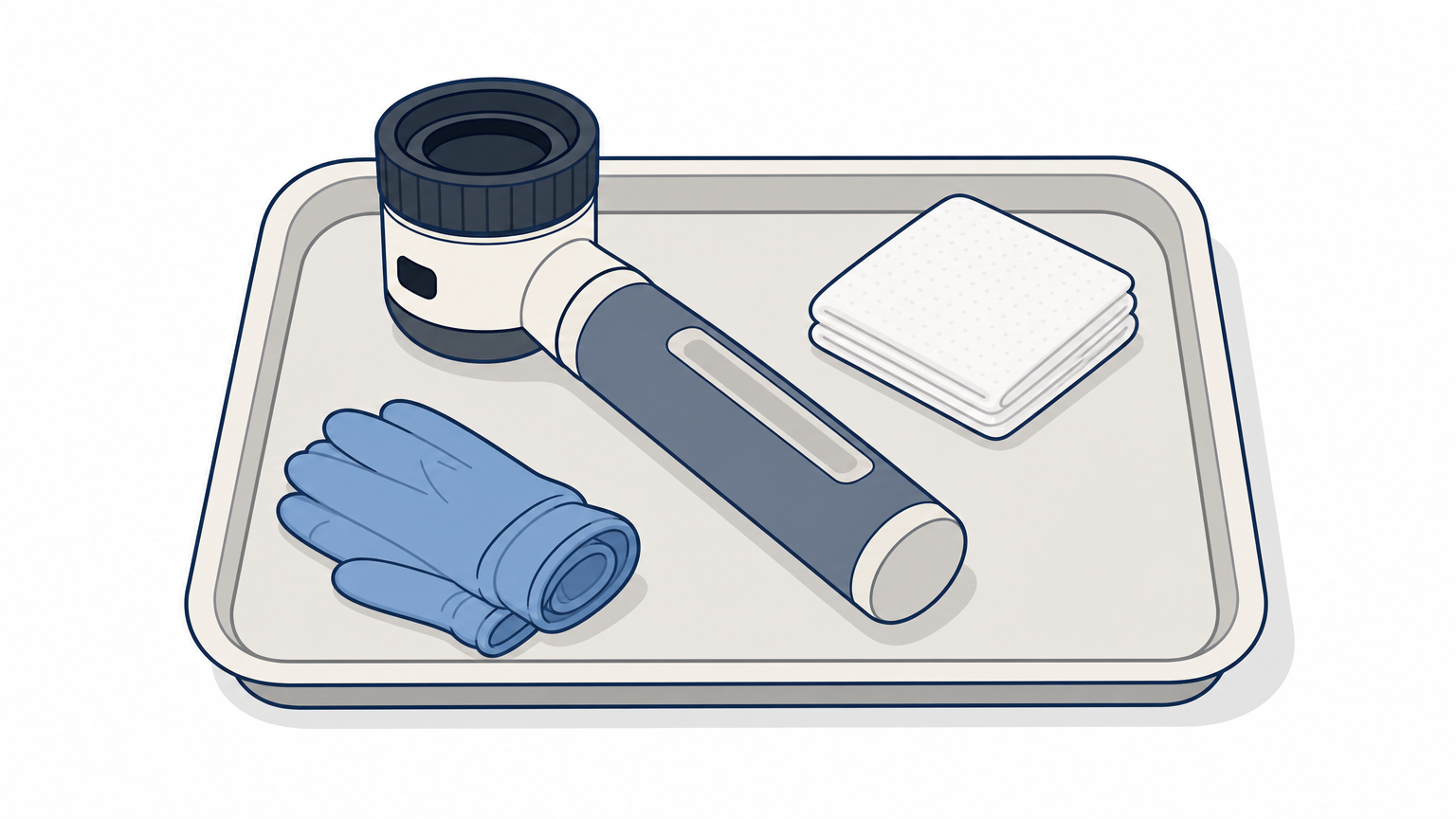
- Will my mole be examined with a dermatoscope before anything is removed?
- Will the tissue be sent for pathology? (For a mole, the answer should almost always be yes.)
- Which method will you use, and why that one for this mole?
- What is the total price, including the lab fee and any follow-up visit?
- Who handles scar care and follow-up if the wound heals poorly?
A clinic that skips the exam or the lab test is a clinic to skip.
How mole removal works and how it heals
The clinician numbs the area with a local anesthetic, removes the mole by one of a few methods, and closes or dresses the wound. The visit is short, and you go home the same day. Which method fits depends on how deep the mole goes and whether tissue needs testing.
Common removal methods
| Method | Best for | What to know |
|---|---|---|
| Shave removal | Raised moles that look benign | Quick, usually no stitches, tissue can be tested |
| Surgical excision | Suspicious or deep moles | Stitches, a thin line scar, most thorough |
| Laser | Small, flat, pigmented moles | Often two or three sessions, no tissue for testing |
Laser appeals to people who want to avoid cutting, but it destroys the mole instead of removing it. A mole that might be cancerous should be excised, not lasered.
Healing timeline
A shave removal leaves a flat wound that heals over one to two weeks as new skin forms and the redness fades. Stitches from an excision typically come out in about one to two weeks, sooner on the face. Keep the area clean, covered and moist as your clinician instructs.

Expect pink or lighter skin for weeks to months afterward. Daily sunscreen on the spot protects the new skin from darkening. Call the clinic if you see spreading redness, pus or heavy bleeding, and expect a call about your lab results.
Most people are back to normal life within days, but the skin takes months to fully settle.
What mole removal costs in Seattle
Cosmetic mole removal in the Seattle area generally costs a few hundred dollars per mole. One local clinic that publishes its facial mole removal price lists $300 to $600 . Final cost depends on the method, the size and location of the mole, and whether lab testing is included. Always ask for the full price in writing.
What drives the price
Faces cost more than backs, because careful technique reduces scarring. Excisions with stitches cost more than a quick shave. Laser may be priced per session, and several sessions add up. Pathology fees are sometimes billed separately by the lab. Insurance may cover removal if it is medically necessary, such as a suspicious or constantly irritated mole, but cosmetic removal is typically out of pocket.
A worked example
Say you want two small facial moles removed cosmetically, and a clinic prices each in the published $300 to $600 range. Your total would be $600 to $1,200 , before any lab fee. Ask whether the clinic discounts multiple moles in one visit, since that can lower the second price.
Get one all-in quote before you agree to anything, including the lab and the follow-up.
When "mole removal" means the ones in your lawn
If your mole is a small animal pushing up soil mounds in your yard, you need a mole control company, not a dermatologist. Mole Masters serves homeowners and commercial properties across Seattle, King County and Pierce County, and works on moles only.
What lawn mole removal involves
We control moles with underground devices , with no poisons or chemicals, and we cover each device with hard plastic and stake it down. We start with a free estimate that shows an "Up-To" worst-case price, and the final cost drops if the job takes fewer visits. Most clients need five trips or fewer.
Mole Masters does not generally clean up molehills or repair lawns. We remove the animals. You can request an estimate by phone, email or form, and the office will confirm whether we serve your address.
Skin moles belong to a dermatologist, and lawn moles belong to a mole specialist.
Where to go from here
Skin mole removal in Seattle comes down to three steps: get the mole examined, pick a licensed provider and a method that matches the mole, and get a full price up front. Healing takes one to two weeks for the wound and a few months for the color to even out.
If your search was really about mounds and tunnels in your yard, we can help with that. Call (253) 926-0402 or request a free mole control estimate from Mole Masters and we will give you an upfront price.