

4 Mole Removal Solutions in Seattle and What They Cost
The best mole removal solutions in Seattle start with an exam, then match the method to the mole. Shave removal fits a raised, harmless mole. Surgical excision fits anything suspicious or deep. Laser fits a small, flat, pigmented mole that a dermatologist has already cleared. A radiofrequency loop fits raised moles where a smooth finish matters, such as on the face. Clinics that publish prices list about $300 to $600 for a facial mole, and one lists $500 to $1,000 for mole and lesion removal. Insurance rarely covers cosmetic work.
The hard part is not finding a clinic. Seattle has plenty of dermatology practices, plastic surgery offices and medical spas. The hard part is knowing which method your mole needs, what a fair total price looks like, and which provider to trust with a blade or a laser. This guide walks through four methods side by side, then shows you how to check a license and what to ask before you book.
A quick note on who is writing. Mole Masters is a family-run company that has controlled the burrowing animal in Puget Sound lawns since 1991, so we do not treat skin. If your search was about mounds in your yard, the conclusion is for you.
1. Shave removal
Shave removal is the most common fix for a raised mole that looks harmless. The clinician numbs the skin and slices the bump off level with the surrounding skin , usually in a few minutes.
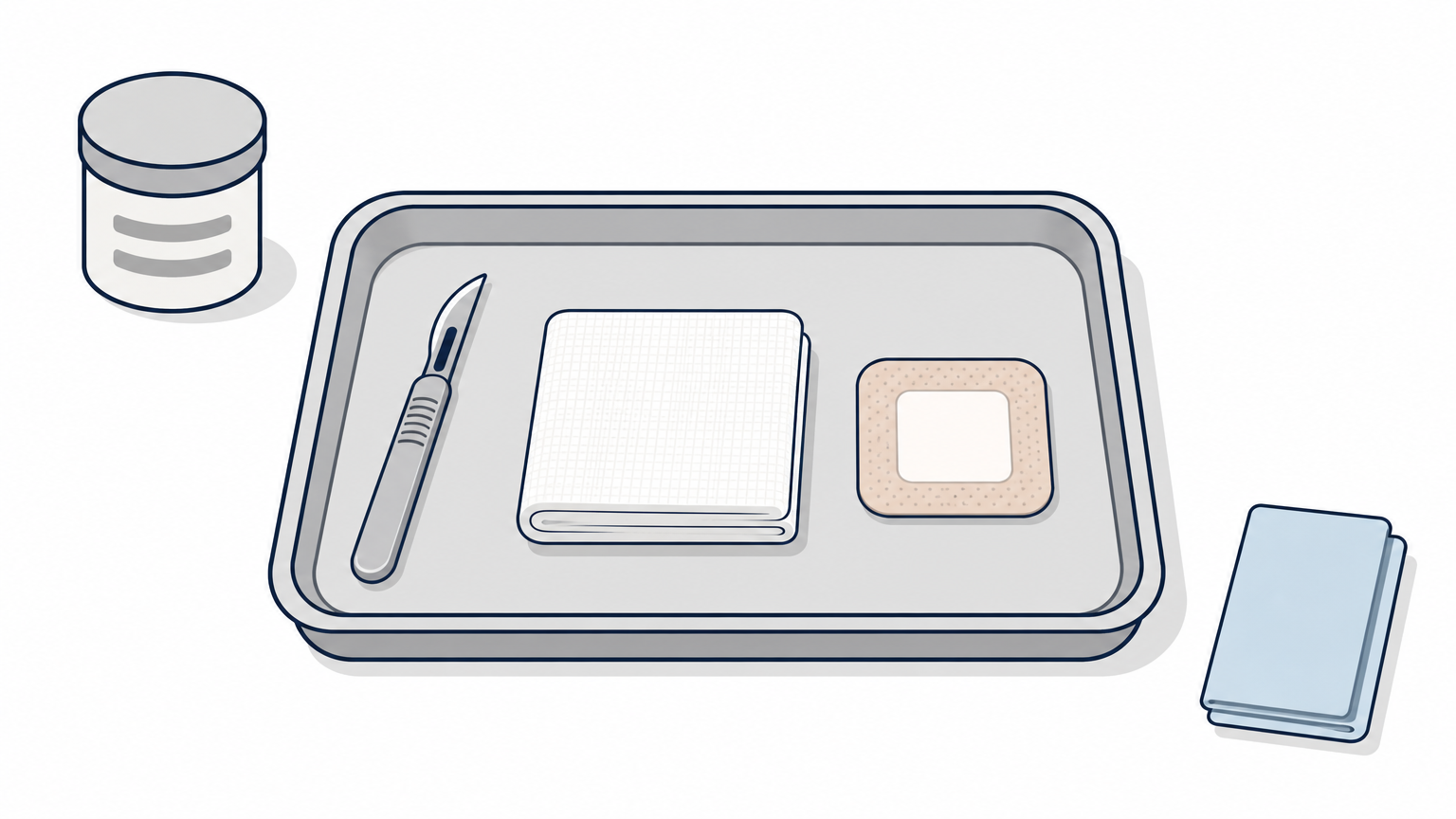
A shave removal flattens a raised mole fast, but a clinician should examine the mole before choosing it.
How it works
After a local anesthetic, the clinician uses a small blade to shave the mole flat and stops any bleeding with a topical agent or light cautery. Stitches are usually not needed , and you leave with a small dressing.
Ask whether the shaved tissue goes to a lab. For a mole, the answer should be yes , because the lab result is your proof that the mole was harmless.
Who it suits
Shave removal suits raised, benign-looking moles on the face, neck or trunk, especially one that catches on clothing or a razor.
It is not the right pick for a mole that looks suspicious or runs deep. Those moles usually call for surgical excision , covered next.
Cost and healing
Shave removal usually costs less than excision because it needs no stitches and less time. Expect to pay out of pocket when the removal is cosmetic.
- Price: Seattle-area clinics that publish a facial mole price list about $300 to $600 per mole. Two facial moles come to $600 to $1,200 before lab fees.
- Healing: the flat wound heals over one to two weeks, and the skin can stay pink or pale for months.
- Aftercare: daily sunscreen on the spot keeps the new skin from darkening.
2. Surgical excision
Surgical excision is the right solution for any mole that looks suspicious, sits deep, or has changed. The clinician cuts out the whole mole with a small border of normal skin and closes the wound with stitches .
If a mole worries you, excision beats every cosmetic shortcut because the lab sees the whole mole.
How it works
The area is numbed, the mole is cut out, and the wound is stitched closed. Most clinics leave a thin line scar that fades over time.
The complete specimen goes to a pathologist. If the lab finds anything unusual, the clinic calls you for follow-up .
Who it suits
Excision suits moles that fail the ABCDE checklist described in the last section, moles wider than about 6 mm, and moles that have changed in size, shape or color.
It also suits a deep mole that a shave would not fully remove. Most of these visits start with a dermatologist's skin exam , and removal can sometimes happen the same day.
Cost and healing
Excision costs more than a shave because of the stitches and the extra time. Insurance may pay when removal is medically necessary, while cosmetic removal usually is not covered.
- Price: one Seattle clinic lists mole and lesion removal at $500 to $1,000. Ask whether the lab fee is included.
- Stitches: they typically come out in one to two weeks, sooner on the face.
- Activity: your clinician may ask you to skip hard exercise until the stitches are out.
3. Laser removal
Laser removal suits small, flat, pigmented moles that a dermatologist has already judged harmless. The laser breaks down pigment instead of cutting, so there is no incision and no tissue for the lab .
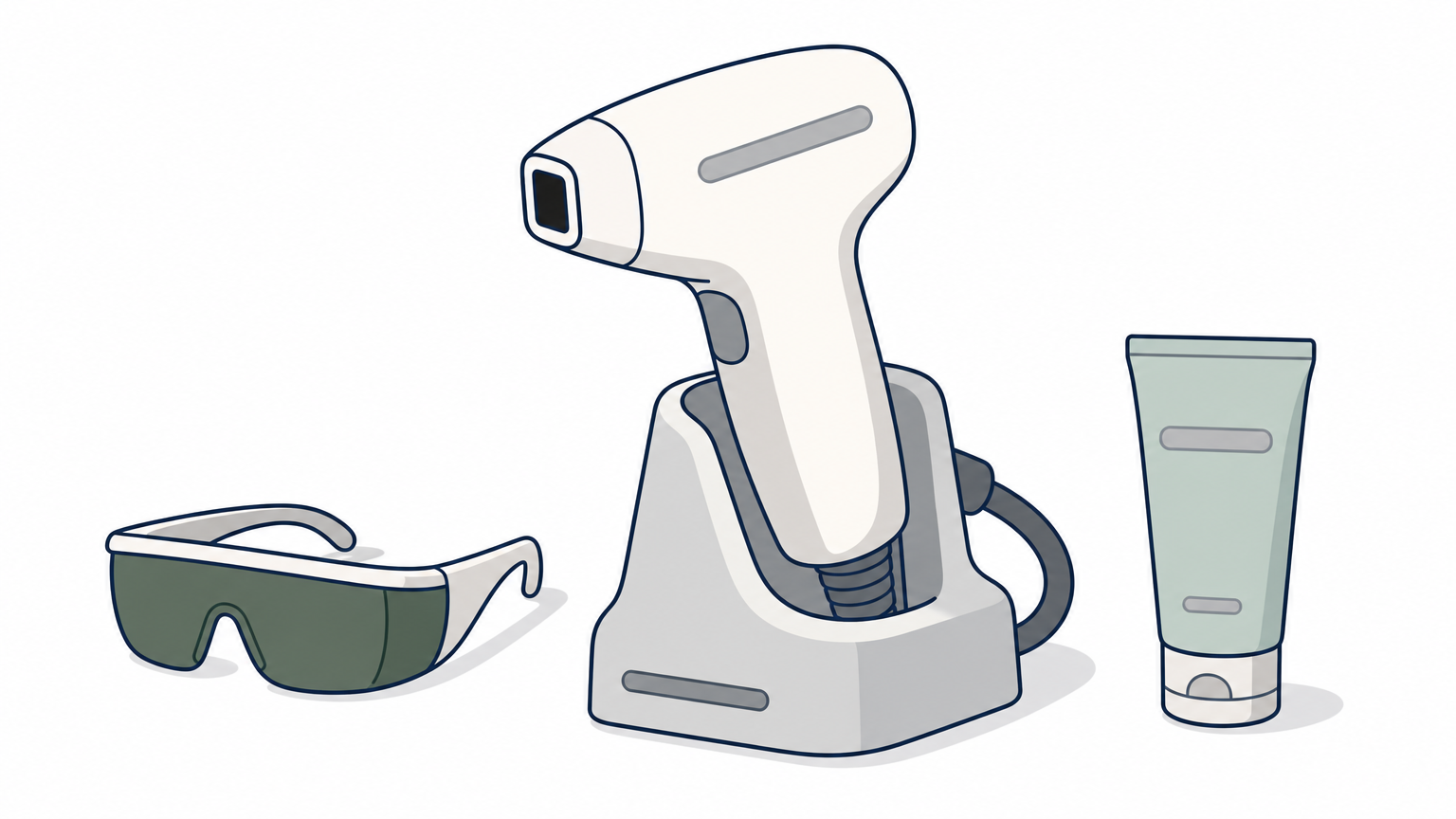
Laser leaves nothing for a pathologist to test, so it belongs only on moles a dermatologist has already judged harmless.
How it works
The clinician numbs the skin and delivers short pulses of light to the mole. The treated spot scabs over and heals in a couple of weeks.
Many moles need two or three sessions . A mole can darken again if pigment cells remain deeper in the skin, which is why follow-up visits matter.
Who it suits
Laser suits people who want to avoid cutting and have a small, flat mole that has not changed. If you search for laser mole removal in Seattle, ask the clinic whether your specific mole qualifies.
Raised, deep or suspicious moles are poor candidates. Those need a method that gives the lab a sample .
Cost and healing
Laser is often priced per session, so several visits add up. Cosmetic laser work is out of pocket.
- Price: ask for the total across all expected sessions, not just the first.
- Healing: expect a scab, then pink skin that can take weeks to settle.
- Aftercare: protect the spot from sun while it heals.
4. Radiofrequency loop removal
Radiofrequency loop removal uses a thin wire loop with low-heat energy to shave off a raised mole. It leaves a flat, smooth surface , which is why plastic surgery practices often use it on the face.
A radiofrequency loop is a gentler shave tool, so the same exam-first rule applies.
How it works
After numbing, the clinician glides the loop across the raised mole. The energy cuts the tissue and limits bleeding , so the wound is usually small and clean.
Ask whether the removed tissue is saved for pathology. It can be sent to a lab, but that is your call to confirm before the procedure.
Who it suits
This method suits raised, benign moles, along with skin tags and other raised lesions where a smooth finish matters.
Not every clinic offers it, so ask when you book. For a suspicious or deep mole, a surgeon will usually steer you to excision.
Cost and healing
Quotes depend on how many lesions you have and how large they are. Cosmetic removal is typically out of pocket.
- Price: get one written quote that includes the lab.
- Healing: similar to a shave removal, with a flat wound that closes over one to two weeks.
- Scarring: a pale or slightly darker patch is possible.
How to choose a licensed provider in Seattle
Choose a board-certified dermatologist for any mole that is new, changing or worrying. Choose a dermatology or plastic surgery clinic with cosmetic services for a stable mole you only want gone . Either way, a licensed physician should do or supervise the removal.
Never let anyone remove a mole that nobody has examined first.
Get the mole examined first
A clinician should look at the mole before anyone removes it. Dermatologists screen with the ABCDE checklist, and a mole that shows any of these signs needs a visit soon:
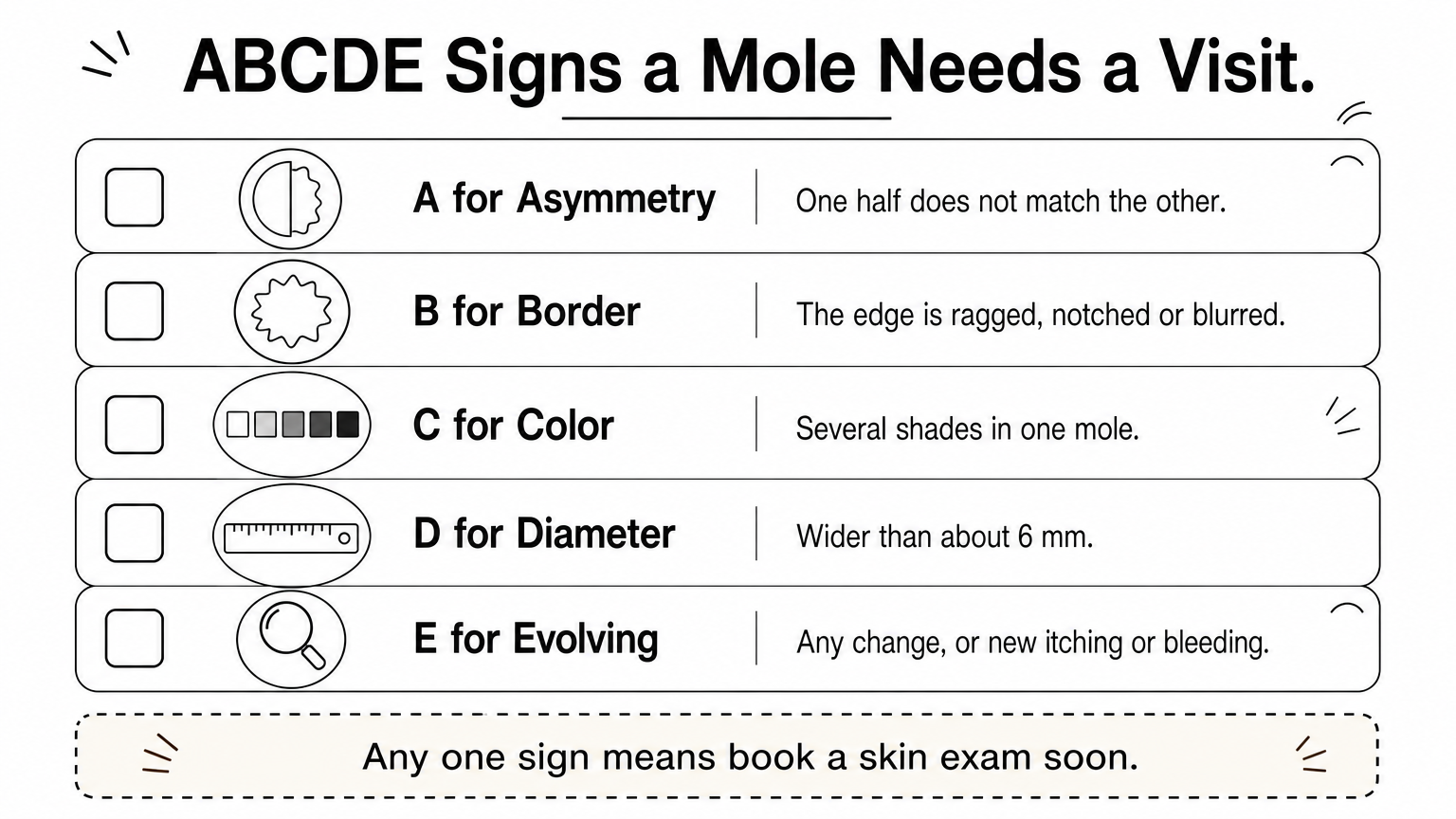
- Asymmetry: one half does not match the other.
- Border: the edge is ragged, notched or blurred.
- Color: several shades in one mole.
- Diameter: wider than about 6 mm.
- Evolving: any change, or new itching or bleeding.
Skip home removal creams and DIY cutting. They risk infection and scarring, and they destroy the sample a pathologist needs.
Match the method to the mole
| Method | Best for | Stitches | Tissue for lab |
|---|---|---|---|
| Shave | Raised, benign-looking moles | Usually none | Yes, if sent |
| Surgical excision | Suspicious, deep or changing moles | Yes | Yes, whole mole |
| Laser | Small, flat, pigmented moles | None | No |
| Radiofrequency loop | Raised moles, smooth finish | Usually none | Ask the clinic |
Check the license and ask these questions
Look up the provider in the Washington State Department of Health provider credential search. Risks are modest in licensed hands: scarring , infection , a lighter or darker patch, and regrowth after a shave or laser. Call the clinic if you see spreading redness, pus or heavy bleeding.
Before you book, ask:
- Will you examine my mole with a dermatoscope first?
- Will the tissue go to pathology?
- Which method will you use, and why for this mole?
- What is the total price, including the lab fee and follow-up?
Picking the right fix
Good mole removal starts with an exam, not a procedure. Shave and radiofrequency loop removal suit raised, harmless moles. Excision suits anything suspicious or deep. Laser suits only small, flat moles that are already cleared. Get one all-in price in writing, confirm the provider's license, and make sure the tissue goes to a lab whenever it can.
If the moles you want gone are the ones pushing up mounds in your lawn, that is our job. Mole Masters controls them with contained underground devices and no poisons or chemicals. Request a free mole control estimate and you get an upfront "Up-To" price that drops if the job takes fewer visits.